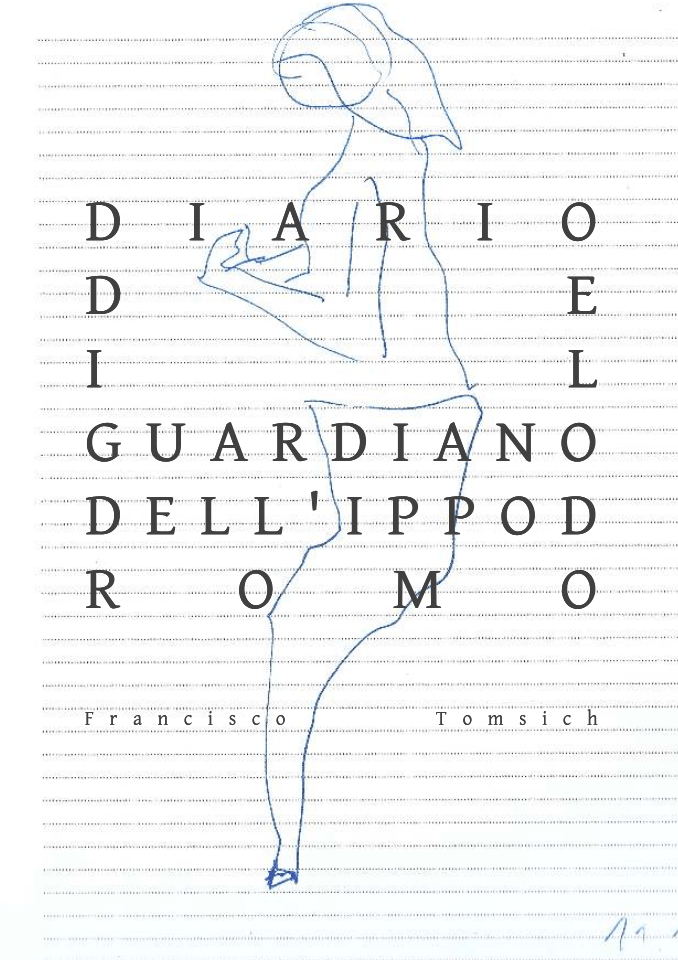
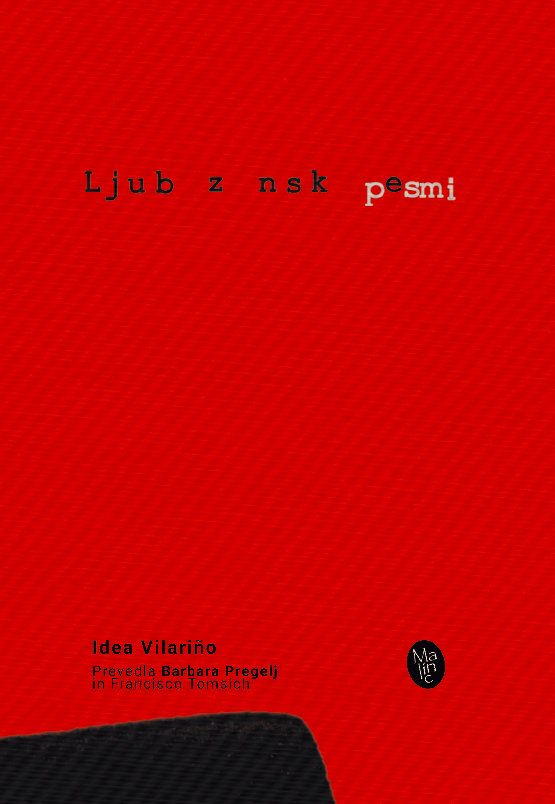

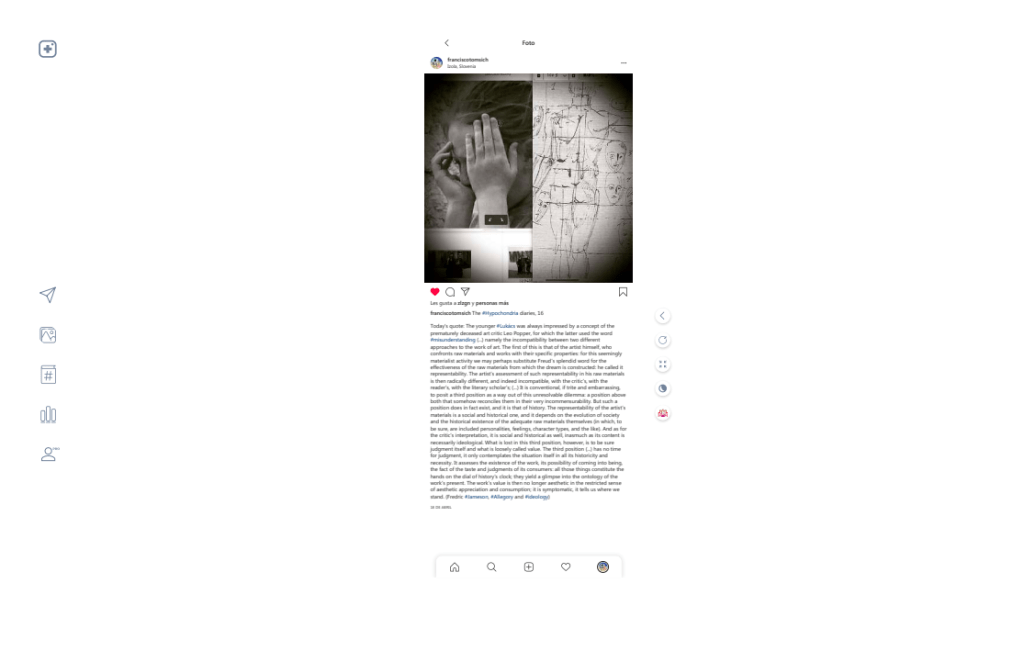

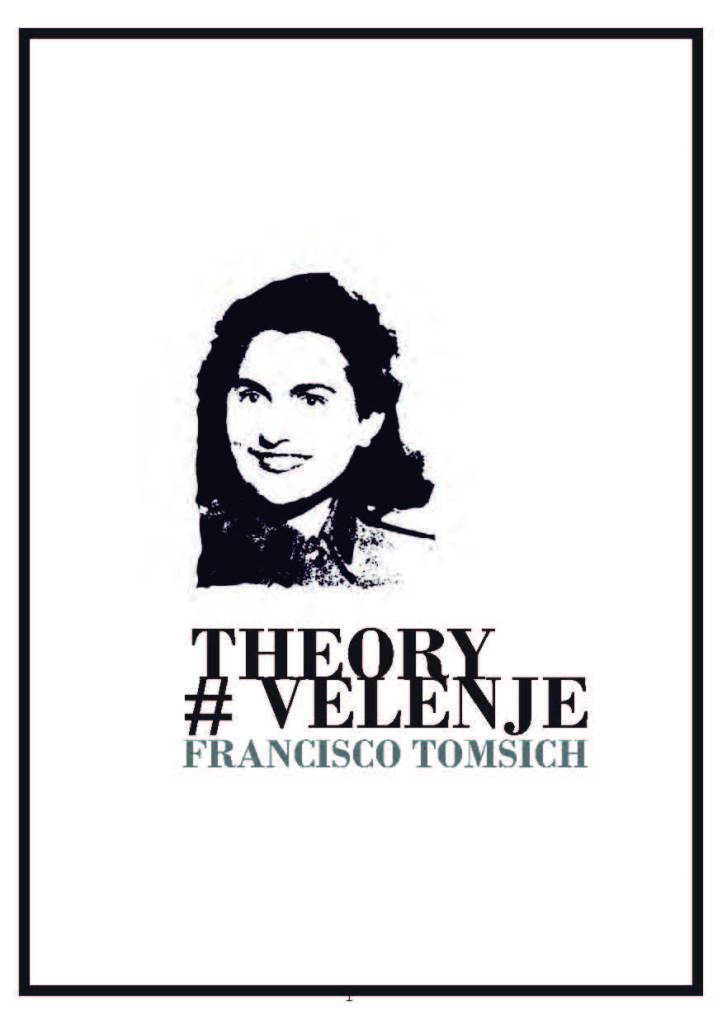


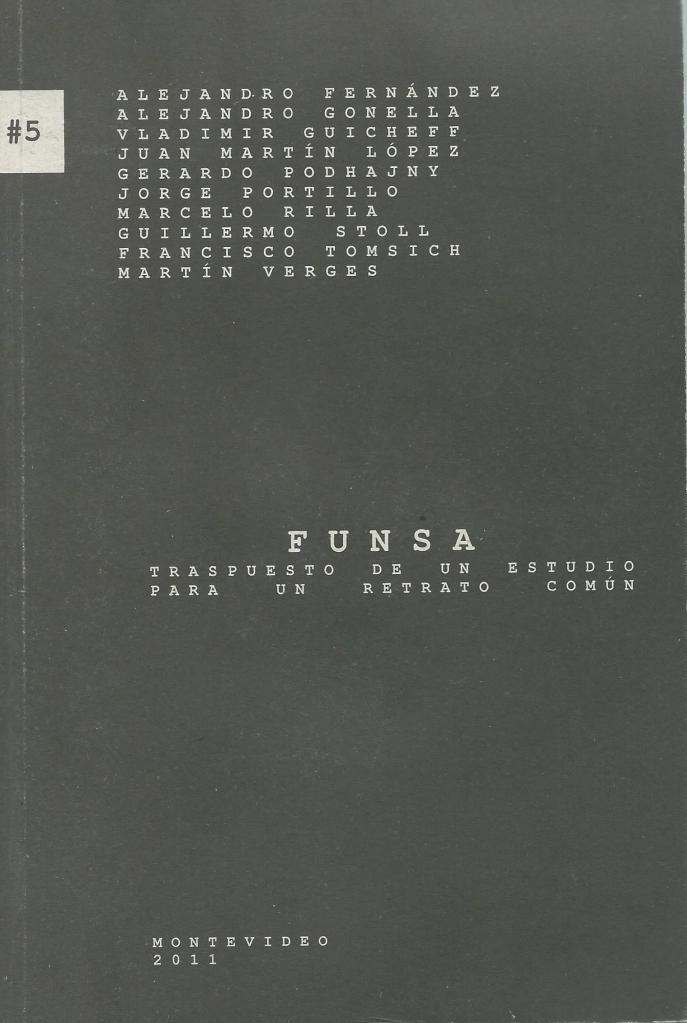
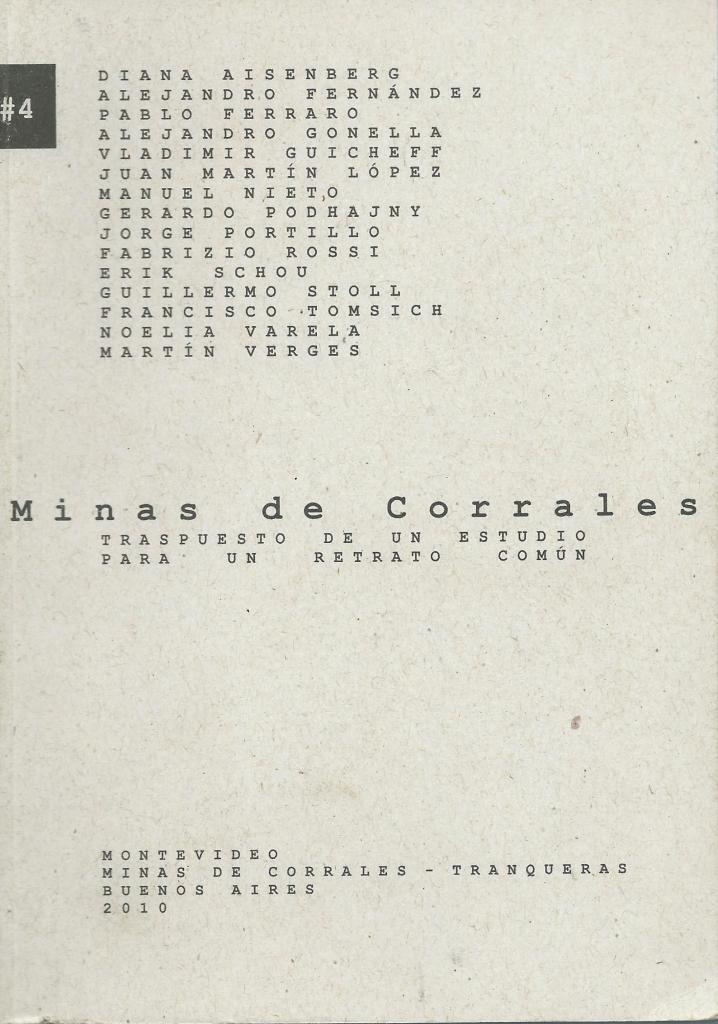
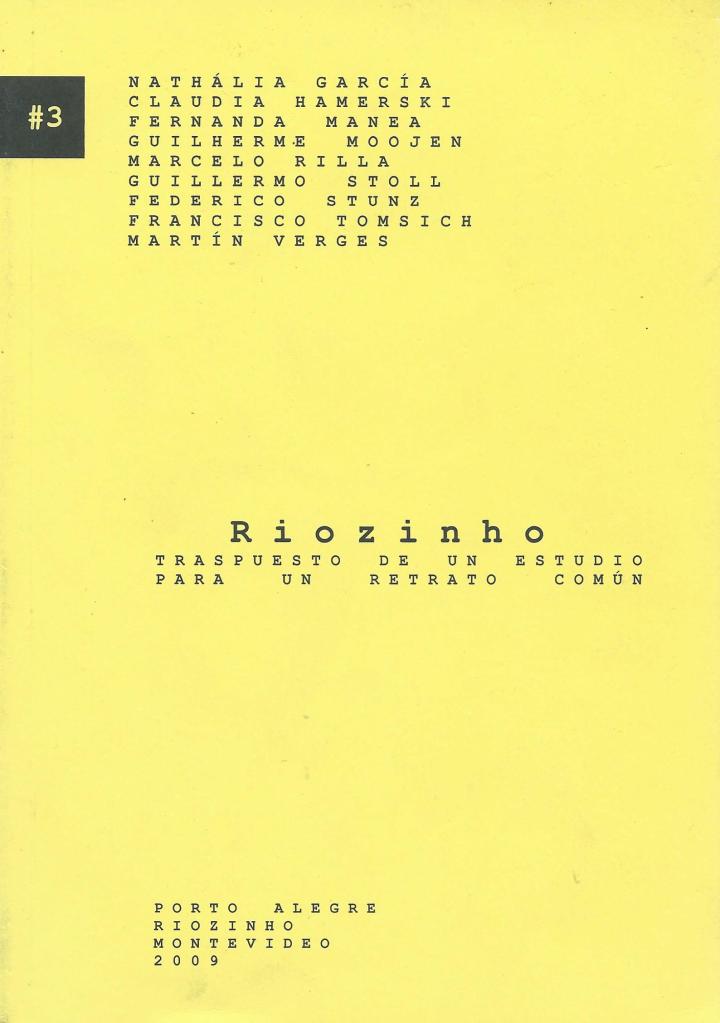
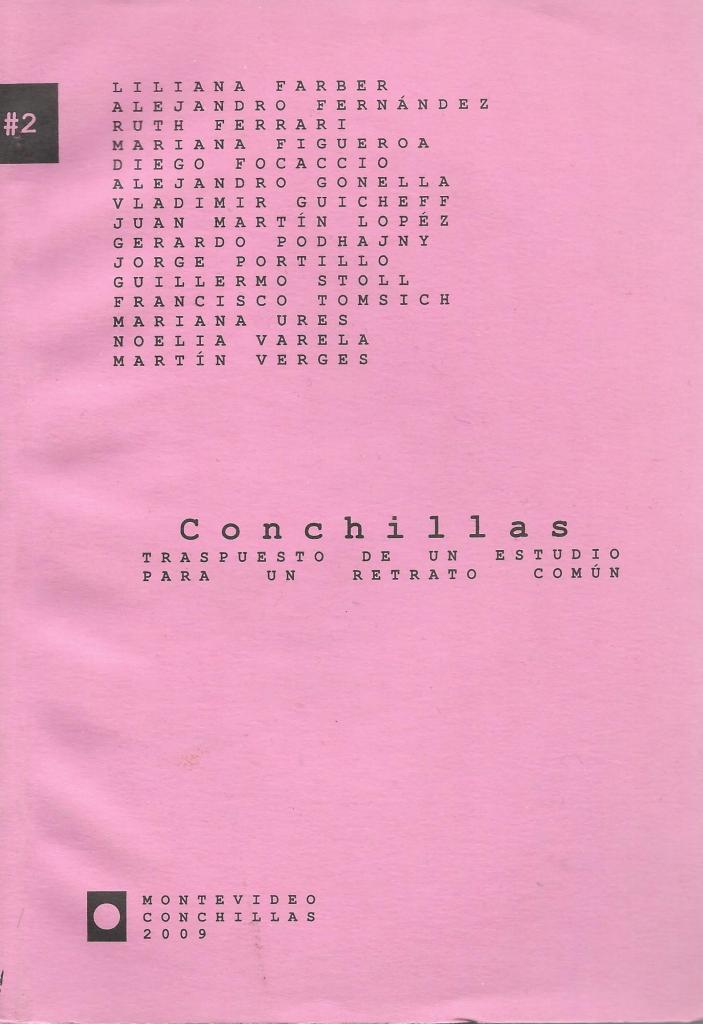
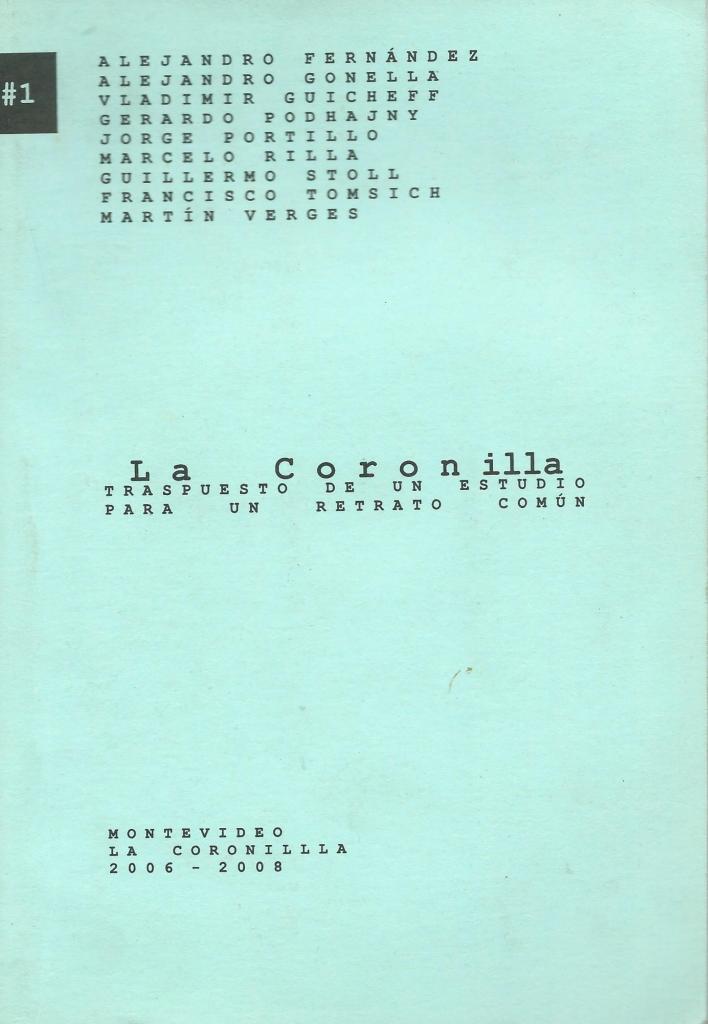

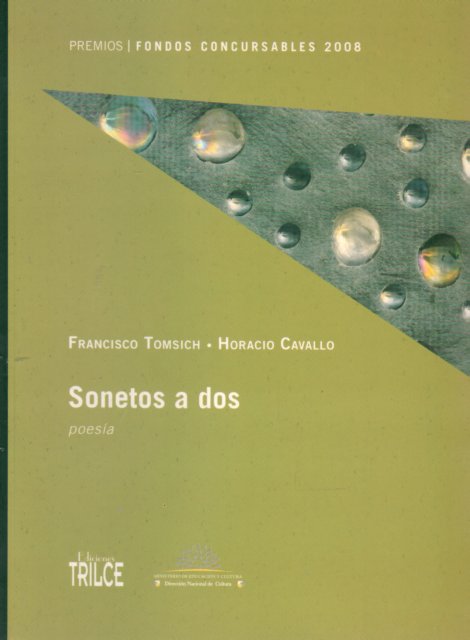

Some of these books are textual & visual diaries of working processes in certain coordinates of place and time (kairotopes), usually related to an exhibition or series of exhibitions, like Diario de Il Guardiano dell’Ippodromo (2025). The Hypochondria Diaries (2021) compiles Instagram posts published during the making of Hypochondria (Insula Gallery, Izola), while La Bataille de Nancy. Journal de Travail (2018) and Templo de Medusa | Tempel der Medusa (2014) deal with two diffferent apparitions of the Melusine’s Works series. Other editions are documents of long-term research projects made in association, as in Idea Vilariño: Ljubezenske pesmi (Ljubljana, Malinc, 2023), Bivališča Branislave Sušnik | Moradas de Branislava Susnik (Medvode: Malinc, 2020), Sonetos a dos (written together with Horacio Cavallo, Montevideo: Trilce, 2009) or the series of six books + multimedia publications from Transposed Study for a Common Portrait (TDUEPURC, Montevideo and Porto Alegre, 2008 – 2012): TDUEPURC #6 TAMBORES (TDUEPURC & 1st Montevideo Biennial, Montevideo, 2012); TDUEPURC #5 FUNSA (TDUEPURC & Goethe Institut, Montevideo, 2011); TDUEPURC #4 DE CORRALES A TRANQUERAS (TDUEPURC & Ministry of Education and Culture, Montevideo, 2010); TDUEPURC #3 RIOZINHO (TDUEPURC & 7th MERCOSUL Biennial, Porto Alegre, Brazil, 2009); TDUEPURC #2 CONCHILLAS (TDUEPURC & Plataforma, Montevideo, 2009) and TDUEPURC #1 LA CORONILLA (TDUEPURC & Ministry of Education and Culture of Uruguay, Montevideo, 2008).
CÓDEX is an artist’s book displayed at the exhibition Loess (City Museum of Fine Arts Juan Manuel Blanes, Montevideo, Uruguay, 2010-2011). It was the first draft of an-going expanded diaries publication project which encompass all of Francisco Tomsich’s work unfolding over time in different media, languages, places and tongues.
The handbooks A Portrait Is for Not Being Alone (English) and Portret je način, da nisi sam (Slovene) were published in paper and digital editions in 2025 by the Cultural and Artistic Association Boja after many years of developing the homonymous pedagogical model of actuation in different contexts, countries and languages.
 Francisco Tomsich