
The long-term artistic research framework and model of actuation Talgia was launched in 2014, when its first articulation as a research project entitled Realisms, allegories and functions: towards an assimilation of recent visual art practices from Eastern Europe was granted with an Artistic Research Scholarship for Young Artists (FEFCA) from the Ministry of Education and Culture of Uruguay (MEC).
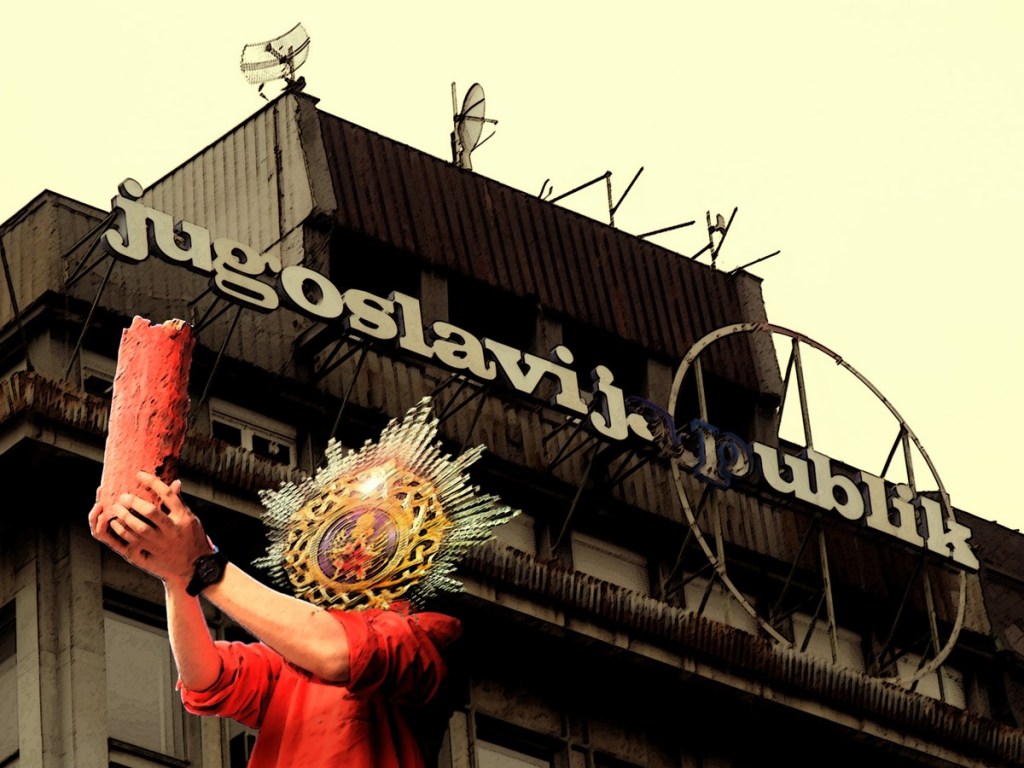
Talgia is focused on the study, adoption, use and manipulation of elements from the culture, history and art practices from Yugoslavia1 and the former Yugoslavian countries, exploring at the same time the relationships, connections, similarities and differences between them and their correlatives in the Southern Cone of South America. Talgia’s range of products, outcomes and public appearances goes from essays and poems to paintings and films, from academic papers and translations to art exhibitions, collective platforms and collaborations.
Projects made in the framework of Talgia include:
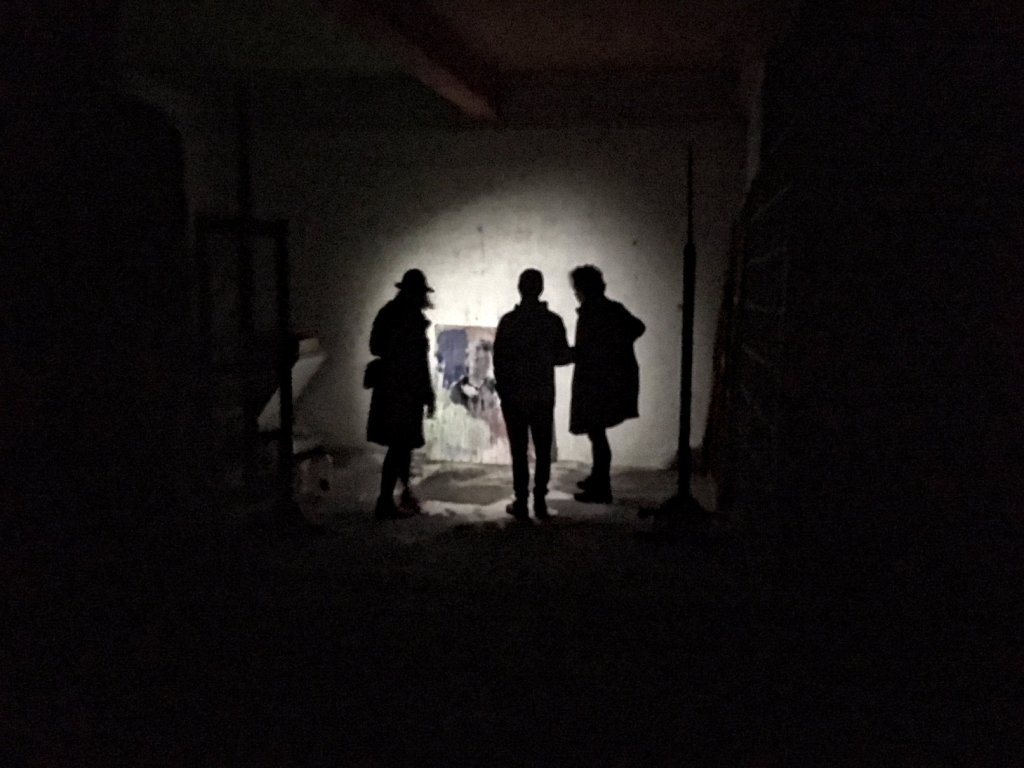
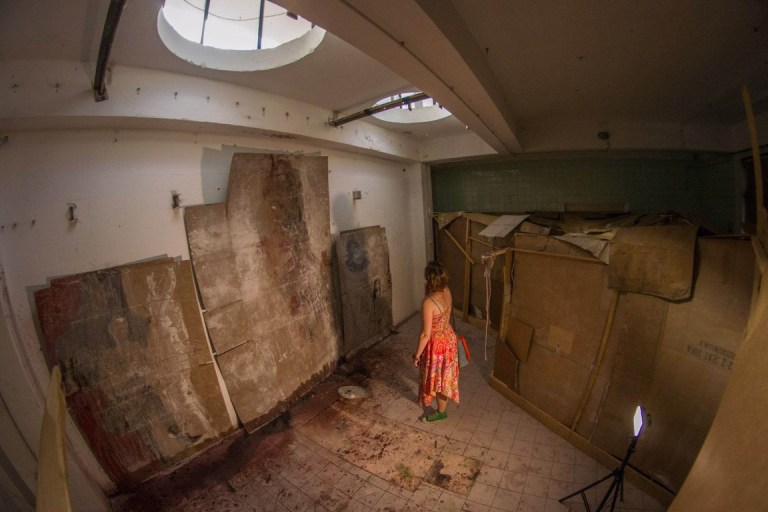
- Numerous works from the Silent Works series of video essays and installations produced in Bosnia, Croatia, Montenegro, North Macedonia, Serbia and Slovenia since 2018 deal with significant (post-)Yugoslav mindscapes, histories and persistences.
- The co-translation and co-edition (together with Barbara Pregelj) of Idea Vilariño: Ljubezenske pesmi (Ljubljana, Malinc, 2023), the first apparition of Idea Vilariño’s poetry in Slovene in critical and bilingual edition.
- The exhibition and research program Ice Floe. The institutional issue. Crossroads between Eastern Europe and the River Plate region, organized together with the association of artists MACMO (Musem of Contemporary Art of Montevideo) and the National Museum for the Visual Arts of Montevideo, Uruguay.
- The collective, international, bilingual and non-disciplinary research project Bivališča Branislave Sušnik | Moradas de Branislava Susnik, developed 2018 onwards with publications, conferences, films, exhibitions, exchange programs and a residency programme for Spanish-speaking women researchers,
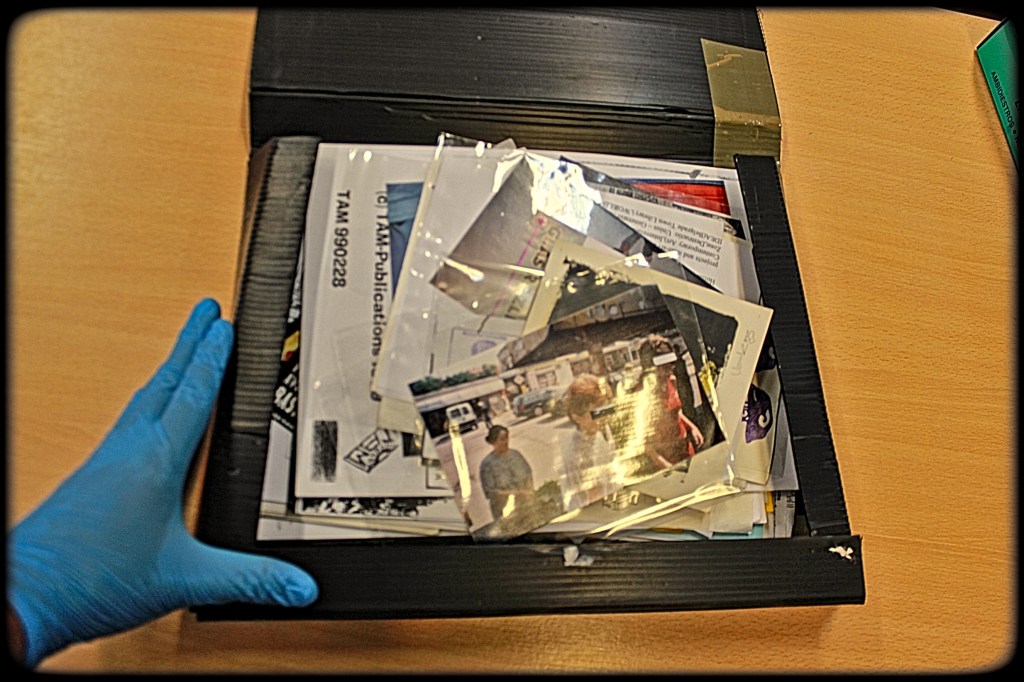
- The “Yugoeslavia” folder, a long-term artistic research project focused on the connections and dialogues between artists from the former Yugoslavia and the River Plate region corresponding through the Mail Art network from the late 1960’s onward.
- A collaboration with Uruguayan researcher Ángela López Ruiz on parallel histories of video art in Yugoslavia and the River Plate region, first introduced at the exhibition Slow motion scream, Early Video art from the Southern Cone (SCCA Ljubljana, October 2017) and the paper Desfase en dirección única. Notas sobre los orígenes del video arte en Uruguay y Eslovenia (Ars & Humanitas, Ljubljana, 2017).
- Exhibitions like Theory #Velenje or Zemlja, as well as works and projects made in association with artists and cultural workers from different cities (Meta City Symptoms, Boja, Translacija|Traslación, Rog) are part of Talgia too, since they deal with the persistence of Yugoslav histories and art histories and operations of cultural translation, dislocation and transposition rooted in the dialectical praxis of Francisco Tomsich, an artist born in Uruguay, with family ties to Slovenia currently based in Istria.
1 The term “Yugoslavia” is understood here in its broadest sense, comprising “the countries that made up the various Yugoslavian political entities that formally existed and I believe that persist at various levels”. (Herzovich, Guido, “El país que persiste en las películas. Una introducción conversada al cine yugoslavo. Entrevista a Francisco Tomsich”, in: Eslavia, December 2019).
 Francisco Tomsich